Won a Grant? They Can Claw Back $21,000 in 30 Days — and Nobody Warns Winners
First, congratulations — truly. Winning a grant means somebody believed in what you're building. Now let me tell you about Denise, because her story is the one nobody tells winners. Denise ran a neighborhood kitchen program. Forty thousand dollars, city money, the happiest email of her life. Eighteen months later she got a different letter: repay twenty-one thousand, within thirty days, because her receipts didn't match her budget lines and two quarterly reports had never been filed. Denise didn't steal anything. She fed people. But the moment you hear "you've won," the grant isn't fully yours until the final report — otherwise the funder can pull it back. Let's make sure that letter never has your name on it.
The short answer: A clawback (a funder demanding grant money back after it was awarded) is almost never about bad intentions — it's about paper. Funders took back $21,000 from Denise's $40,000 grant in a 30-day demand over mismatched receipts and two unfiled reports. Three things trigger nearly every clawback — unspent, off-budget, unreported — and one grant file, kept from day one, protects you from all three.

What are the three things that trigger a clawback?
Trigger one: unspent money you kept quiet about. Grant money is not a prize; it's a budget with an address. If you were funded to spend ten thousand on equipment and you spent seven, the other three were never yours to roll into rent. The fix is as exciting as watching paint dry, and it saves you thousands: ask, in writing, before the period ends. Funders approve budget changes every day. What they never forgive is finding out afterward.
Trigger two: off-budget spending. Every grant has lines — personnel, equipment, supplies, travel. (A budget line is one labeled row of the approved budget: the amount the funder agreed could be spent on that one thing.) Money spent outside its line, even on the mission, even cheaper, counts as money spent wrong. Denise bought food with the van-repair line because the van could wait and the kids couldn't. A reviewer in an office sees a mismatch, not a good deed.
Trigger three is the quiet killer: unreported time. Most grants require progress and financial reports on a schedule. Miss them, and the funder's system flags the whole award — not because you failed, but because silence, to a grants officer, looks exactly like disappearance. Two missing reports turned Denise's fixable budget problem into a repayment demand for half the grant. Unspent, off-budget, unreported — tape those three words inside your office door.
Here's the video version, with Denise's story told in full:
In this Empowerment Buddy video, Simone Hartwell tells Denise's story: a $40,000 city grant to run a neighborhood kitchen program, and eighteen months later a letter demanding $21,000 back within thirty days — not because money was stolen, but because receipts didn't match budget lines and two quarterly reports were never filed. The video names the three clawback triggers — unspent money kept quiet, off-budget spending, and unreported time — then builds the one grant file that protects you, and closes with the thirty-day playbook for answering a demand letter, the same playbook that cut Denise's demand by more than half. Watch it on YouTube: Watch it on YouTube: Can a Grant Be Taken Back? Yes — $21,000 Clawed Back in 30 Days, and Nobody Warns Winners.
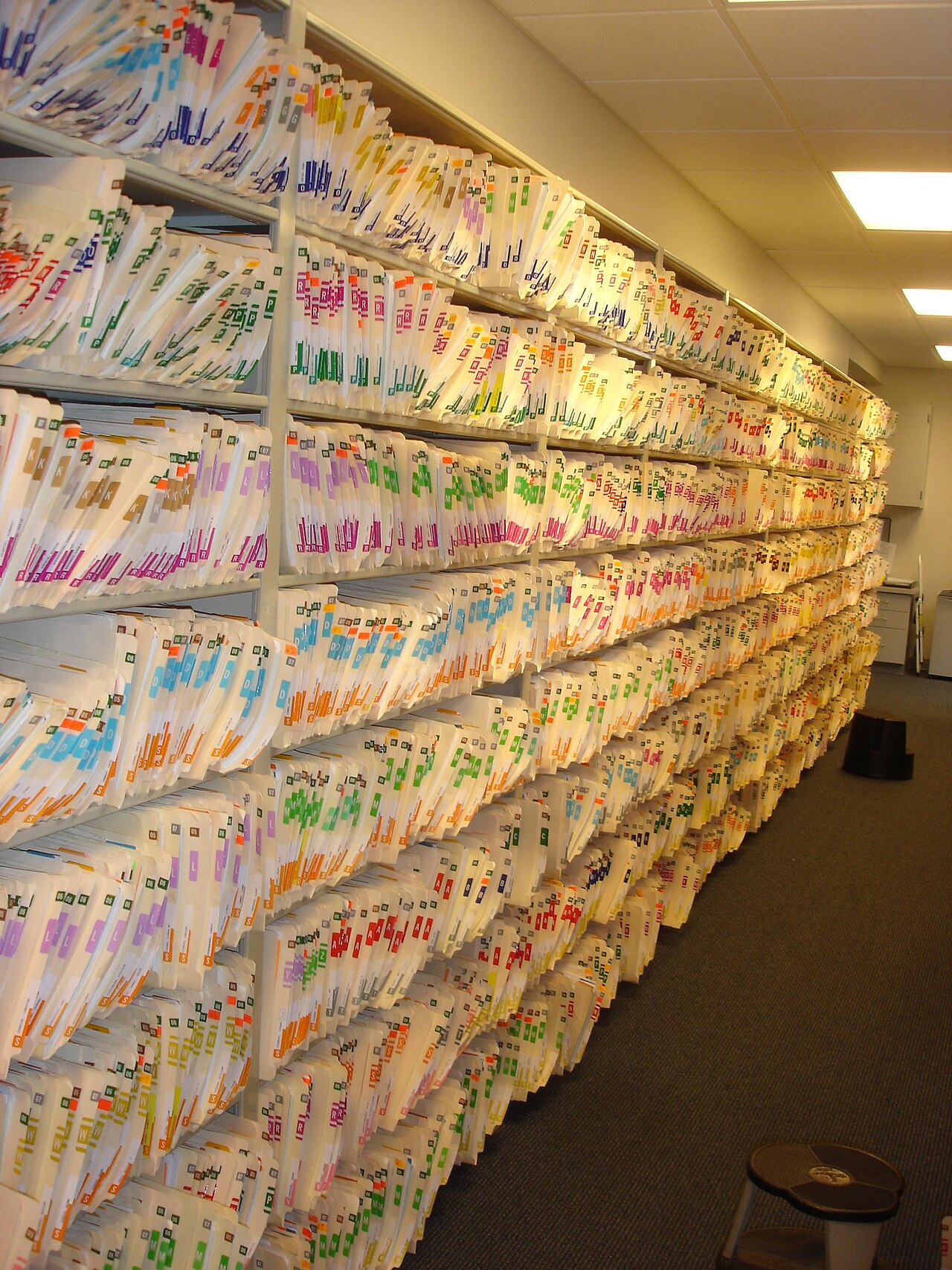
What is the one file that protects you?
Protection is one binder — physical or digital — called the grant file. Everything about the award lives in it, in order, from day one. The award letter. The approved budget. Every change you requested and every approval you got — in writing. Receipts matched to budget lines the week you spend, not the month you panic. And the reporter's tab: every report you filed, with the confirmation that it was received. Not "I sent it." Received. That one tab is the difference between "we have a discrepancy to discuss" and "repay twenty-one thousand in thirty days."
Here is that same idea a second way, because it is the heart of this post. Think of the grant file as the grant's receipt. When a store questions a return, the person holding the receipt finishes the conversation in two minutes — not because they argue better, but because the proof was saved before anyone needed it. Your funder is that store, and the award is the purchase. Denise calls her binder "the grant's receipt." Auditors don't grade your mission; they grade your file. Make the file boring — twenty minutes a week — and you get to keep being interesting everywhere else.
What if the letter arrives anyway?
Take a breath. Here is the thirty-day playbook, step by step. Step one: pause, breathe, and treat the letter as a clue, not a crisis. These letters have a response window and usually an appeal path (an appeal is your formal written request for the funder to look again) printed right in them — read for the words "appeal," "reconsideration," and "repayment agreement." Funders write hard letters; their systems are built to negotiate. Step two: answer in writing, with the file. A receipt that existed but was never submitted, a report confirmation, an email where a program officer approved the change out loud but nobody saved it — documentation shrinks these demands. Step three: if some amount truly is owed, ask for a repayment agreement — installments — and ask for interest and penalties to be waived for good-faith compliance. Organizations that cooperate keep their eligibility for future funding; organizations that vanish get debarred (locked out of federal money for years). Denise appealed with her file — thin as it was — and her demand dropped by more than half, on a payment plan, eligibility intact.
Where do you go from here?
If you're earlier in the journey and wondering which grants you even qualify for, the video points to the free Grant Eligibility Quiz at helpwithgrant.online — two minutes, no cost — and our sister channel, The Grant Finder, covers the finding-and-applying side of this world. Here on Empowerment Buddy, we handle what happens after the confetti: watch the three triggers, keep one grant file with proof of everything, and if a demand letter comes, answer it in writing, with documents, inside the window. Subscribe to Empowerment Buddy on YouTube and keep what you won. You did the hard part already — you won. Now let's make sure you keep it.
Questions winners ask us
What is a grant clawback?
A clawback is when a funder demands grant money back after it was awarded — in the case this post follows, $21,000 within 30 days, because receipts didn't match budget lines and two quarterly reports were never filed. A clawback doesn't ask whether your heart was right. It asks whether your paper is right. The good news: most clawbacks shrink dramatically the moment documentation shows up.
What are the three things that trigger a clawback?
Unspent, off-budget, unreported. Unspent money you kept quiet about instead of asking, in writing, before the period ends. Off-budget spending — money spent outside its approved line, even on the mission, even cheaper. And unreported time — missed progress or financial reports, because silence, to a grants officer, looks exactly like disappearance. Tape those three words inside your office door.
What should I do if a clawback letter arrives?
Treat the letter as a clue, not a crisis. Read it for the words appeal, reconsideration, and repayment agreement. Answer in writing, with your grant file — a receipt that existed but was never submitted can change everything. If some amount truly is owed, ask for a repayment agreement in installments and for interest and penalties to be waived for good-faith compliance. Cooperate, and you protect your eligibility for future funding.