Miami-Dade Already Graded Your House: 25,095 Open Cases — Most Owners Never Look
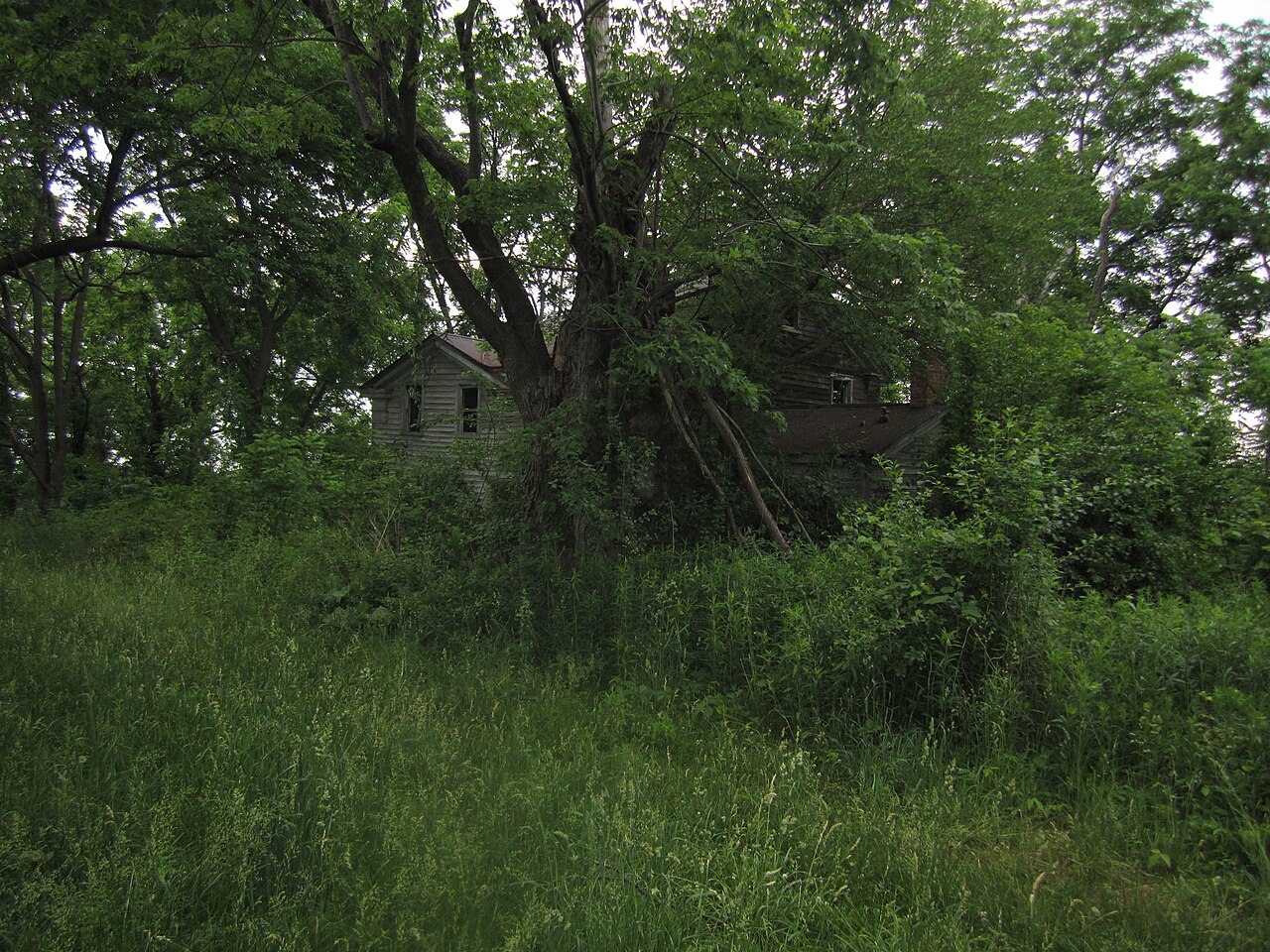
Here is something your city does that almost nobody talks about: it grades houses. Picture a house on a quiet Miami-Dade street — grass to the knees, a blue tarp strapped over one corner of the roof, mail spilling out of the box. A neighbor calls the city. An inspector drives out, walks the property with a camera and a clipboard, and writes down everything he sees. That visit is the moment a private problem becomes a public record. A case opens — and the house now has a grade that anyone can read.
The short answer: A code violation (a case the city or county opens when a property breaks the local rules for upkeep and safety) is public record — address, owner, and exactly what is wrong. Miami-Dade County's own code-enforcement data holds 25,095 open cases right now, and the line that matters most on each record is the status: it tells you whether the owner is at watch, warning, or emergency before you read another word.

What does one code violation record actually show?
Read it top to bottom, the way our records desk does. Top line: the date the case opened — that is the day the clock started. Then the category and the detail: what kind of violation, in the inspector's own words. Then the property's address, its assessed value (the county's official value for the property, used for taxes), and its tax balance, including whether the taxes are behind. Then the zoning, and the owner's name with a mailing address. Every field is real, and every field is a sentence in the property's story. The listing, when one finally appears, shows you the house at the end of the story. The violation shows you the house in the middle of it — while something can still change — because a violation means the city is forcing an owner to spend money they may not have, on a deadline they did not choose.
Are all violations the same? (The dashboard-light test)
No — think of them like warning lights on a dashboard. Overgrowth and junk in the yard are the check-soon light: ugly, but cheap to fix. Dead vehicles and roof damage sit one rung up: real money, real deadlines. And at the top sits the unsafe structure — the stop-the-car light — a building the city says is dangerous as it stands. Four lights, four very different stories about the owner behind them. Now read that same idea a second way, because this is the concept the whole record turns on: the lights are also a clock. A check-soon light means the owner's problem is measured in weekends and a mower. A stop-the-car light means the city has taken the schedule away from the owner entirely. Same dashboard, two readings — severity and time — and a good reader checks both before deciding what a property is worth pursuing.
The video walks one sample record field by field and climbs the status ladder rung by rung:
The video explains how a house gets graded: a neighbor calls, an inspector walks the property, and a private problem becomes a public case. It reads a sample code violation record line by line — open date, category, address, assessed value, tax balance, zoning, and the owner's mailing address that reveals an absentee owner — then sorts violations from overgrowth up to unsafe structure. It climbs the status ladder from OPEN to CONDEMNED, introduces the free Violation Decoder, Distress Score Calculator, Repair Cost Estimator, and Permit Timeline Checker on aidcos.world, and lands on the county's real number: 25,095 open cases in Miami-Dade. Watch it on YouTube: Watch it on YouTube: Miami-Dade: 25,095 Open Cases — They Hope You Never Ask 'How Do I Check My Code Violation?'.
What does the status ladder tell you?
Every case climbs a ladder, and each rung changes what the owner feels. Rung one: OPEN — the case is fresh, the clock is running, the fix is still cheap. Rung two: the deadline passes and the permit expires — the owner started something once, and it stalled. Rung three: CONDEMNED — the city has declared the building unsafe to occupy, and now the clock is not the owner's at all. The ladder has a side rail: permits. Open permits show work that was planned; expired permits show work that was started and abandoned halfway. Status first, everything else second — that is the order a prepared reader works in.
How do you turn one messy property into one clear read?
You score it, then you price the fix. The free tools on this site do both. The Violation Decoder takes a code violation type and hands back plain English: what it means, how serious it is, and what it usually takes to clear it. The Distress Score Calculator lets you check off the visible signs — overgrowth, tarp on the roof, dead vehicle, broken windows, mail piling up — and returns a score from zero to one hundred with a read on the owner's motivation. One honest warning: a score is a summary, not a verdict; it tells you where to look first, and your judgment still makes the call. The Violation Repair Cost Estimator returns ballpark cost ranges per repair — a cleanup range, a roof range, a windows range — and the Permit Timeline Checker shows typical approval timelines by permit type and county, plus the two most common reasons permits get kicked back. The Sample Lead Pack shows exactly what a daily code-violation lead looks like, delivered by email, free, no card.
Who should be reading this paper trail?
If you invest: it is pressure you can see months before the market can — a motivated owner, visible in public, while everyone else waits for a listing. If you contract: it is a list of work the city is forcing to happen, with deadlines attached — the closest thing to a public help-wanted board your trade will ever get. And if you own or manage property: your own grade is public too. Read your record before the letter about it arrives in your mailbox. Start with the Violation Decoder on aidcos.world — the city's words go in, a sentence a human can act on comes out.
Questions readers ask us
What is a code violation, exactly?
A code violation is a case the city or county opens when a property breaks the local rules for upkeep and safety — the rules that keep a street livable. It is not a parking ticket. A ticket follows a car; a violation follows the property and its owner, and it stays open until the problem is fixed. In many cities the fines stack up while the case sits, and an unpaid case can harden into a lien against the property.
How many open code violation cases does Miami-Dade County have?
When we pulled Miami-Dade County's own code-enforcement data, it held 25,095 open cases. Not a leak and not insider anything — public records, sitting there for anyone willing to read them. One case is a story; 25,095 cases are a map showing exactly where a city is enforcing hardest and which neighborhoods carry the most distress. The map is free to anyone willing to read it before the letter arrives.
What does an absentee owner look like on the record?
Read the owner's mailing address line twice. If the mailing address is a different street — or a different state — from the property address, you are looking at an absentee owner: somebody who does not live in the house the city is grading. It is one line on a public record, and it changes how you read everything above it.