Your 5-Minute Reply Turns a Bad Review Into Trust

A bad review feels bad. You work hard. Then you see one star and hard words on your GBP. GBP means Google Business Profile. It is the free Google listing that shows your shop on Search and Maps.
Take a breath. That review is not the end. A calm, kind reply shows you care. It shows you fix things. It shows you are safe to try.
This post teaches a short way to reply. It takes five minutes. You will see full replies you can copy and change, learn what not to say, and get a weekly plan so no review sits alone for long.
Reply to each review, good and bad. Keep each reply short and kind. Thank the person by name. Name the thing they praised or the thing that went wrong. Own your part, or say the fix you made. Then invite them back, or move the talk to a phone call so you can fix it in private.
Never argue in public. Never offer a gift, cash, or a deal to get a good review. Never ask only happy guests to write a review. Ask all guests in the same fair way, or do not ask that way at all.
Use five minutes: read the review twice, check the facts, write a short draft, read it out loud, then post it.
What the video shows: This short video is called "Bad Google Review? Reply Like THIS (Don't Argue)." It shows how to reply to a bad Google review without arguing: keep the reply calm and kind, where every future guest can read it. This post gives you a reply you can write in about 5 minutes, for good reviews and bad ones.
Who reads your reply?
You may think only one person reads your reply. That is not true. The next guest reads it too. So does the guest after that. So do many folks who never write a word.
They read your stars. They read what guests said. Then they read how you spoke back. That is the part they trust most.
Think of it like this. A review is a note on your front door. Your reply is your voice from inside the shop. If your voice is calm and fair, folks feel safe to knock. If your voice is loud or mean, folks walk past.
Handled well, a bad review is proof. Proof that you listen. Proof that you do not hide. Proof that a real person stands behind the work.
What is the 5-minute routine?
Use the same five steps each time. A set plan keeps you calm and fast.
Minute 1: Read it twice. Read once for the facts. Read again for the feel. Did the guest wait too long? Did a part break? Was the price a shock? One thing hurt most. Reply to that main thing first.
Minute 2: Check the facts. Look at the bill. Look at the work log. Look at the roster. A roster is the list of who worked and when. Ask the staff who were there. Do not hunt for a way to prove the guest wrong. Hunt for the truth, so you can fix the right thing.
Minute 3: Write the draft. Use the four-part shape in the next part of this post. Keep it short. Four or five short lines can be enough. Write it in a note first, not in the post box.
Minute 4: Read it out loud. Your ear will catch what your eye missed. If a line sounds sharp when you say it, it will read sharp too. If a line is long, cut it in two.
Minute 5: Post and log it. Post the reply. Then note the date, guest name, main point, and fix. Three notes about long waits mean the wait is a real problem, not just one bad day.
If you still feel hot with anger, wait one hour. A reply one hour late and kind beats a reply right now and harsh, each time.
What shape makes a good reply?
A good reply has four parts. You can use them for good and bad reviews. The words change, but the shape stays the same.
Part 1: Thank them by name. Use the name they used in the review. "Thank you, Maria." A name shows you saw a person, not just a star count.
Part 2: Name their point. Say back the thing they named. For praise: "You liked that we fixed your sink the same day." For a complaint: "You waited 40 minutes past your time." This shows you read their words with care.
Part 3: Own your part, or state the fix. If you made a mistake, say so. "That wait was our fault." If you fixed a thing, name the fix. "We now text guests if we run more than 10 minutes late." If you still need facts, say you are checking.
Part 4: Invite them back, or move offline. For a good review, invite them back in a warm way. For a bad review, give a phone number and a name to ask for. "Please call me, Ana, at the shop. I want to make this right." A phone call lets you hear tone and fix things you cannot fix in a short web reply.
Keep the whole reply short. Google asks owners to keep replies short and kind. A long reply tends to sound like a defense, even when you do not mean it that way.
How do you reply to a 5-star review?
Do not waste a good review with just "Thanks!" That is kind, but it is thin. Use the four parts. Name the praise. Use your shop name once, in a plain way. Do not stuff in sales words.
Here is a full example. You can adapt it. Adapt means change the words to fit your shop and your guest.
Thank you, Maria. We are glad the same-day fix for your sink worked well. Our team at Bright Pipe Plumbing tries hard to show up on time and leave the space clean. We look forward to helping you again when you need us.
See what it does. It thanks Maria by name. It names the praise: the same-day fix. It uses the shop name once, in a natural line. It ends with a warm invite. It does not offer a deal.
Reply to good reviews the same day if you can. Fresh thanks feel real. Late thanks, weeks later, can feel like a chore.
How do you reply to a 3-star mixed review?
A 3-star review is gold if you read it well. The guest did not hate you. They did not love you. They tell you just what to fix. Thank them for that gift.
Praise what they praised. Own what they did not like. Do not argue with their score. Do not say "But most folks love us." That pushes them away.
Here is a full example:
Thank you, Luis. We are glad our staff were kind and that the price felt fair. You are right that your wait was too long, and that was our fault. We have added a second person at the front desk on busy days to cut that wait. Please try us again, and if the wait starts to grow, ask for me, Sam, and I will check on it myself.
See the shape. Thanks by name. Praise named: kind staff, fair price. Pain named and owned: the long wait. Fix stated: a second person at the desk. Invite back, with a name to ask for. No blame. No excuse.
How do you reply to a 1-star angry review?
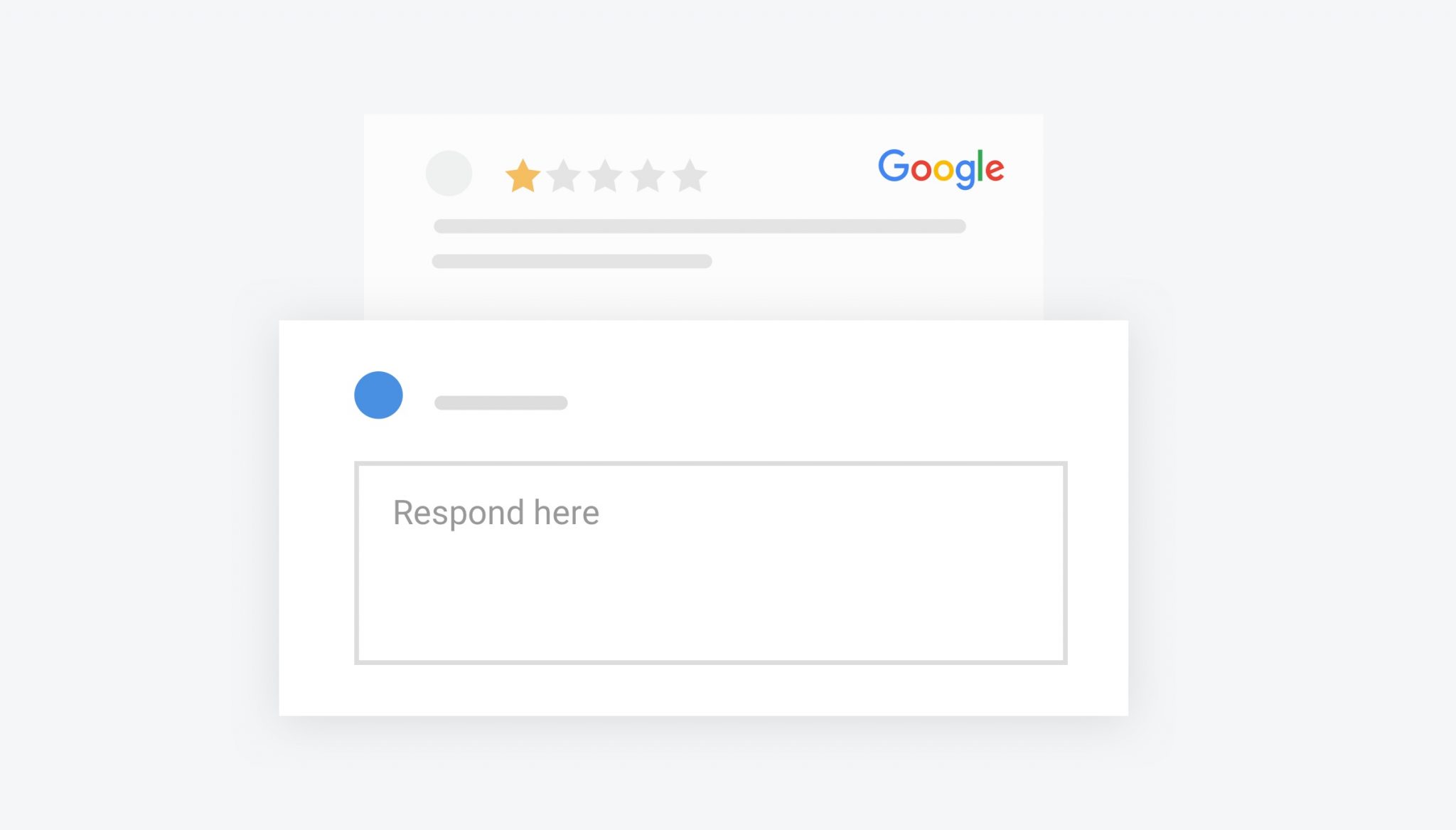
This is the hard one. The words may sting. They may feel unfair. Your reply is still for the next guest as much as for this one. Stay short. Stay kind. Do not argue the facts in public.
Here is a full example:
Thank you for telling us, Priya. I am sorry you had that time with us. A long wait and a bill that felt too high are not the care we want to give. I want to hear the full story and see what we can fix. Please call me, Ana, at the shop number on our profile, and I will take your call myself.
Note what is not there. No "You are wrong." No private facts about the guest or the bill. No blame for staff by name. The hard talk goes to the phone.
What if the guest is right? Then own it more fully, in the same short form:
Thank you, Chris. You are right. We missed your appointment time, and that was our fault. I am sorry. We have changed how we book jobs so two jobs do not land at the same time. Please call me, Ana, so I can make this right with you.
Owning a real fault in public builds trust. Folks know shops are run by humans. They want to see what the humans do when they miss.
If the guest later wants to update their review, that is their choice. You may not pay, reward, or pressure them to change it.
What do you do with a review that looks fake?
Some reviews do not match any guest you can find. No bill. No name you know. It may be fake. It may also be a real guest who used a different name. So be careful. Never accuse a person of lying in your public reply.
Reply in a calm, brief way that helps real readers:
Thank you for your note. We have no record of a visit under this name, and we want to help if you did visit us. Please call the shop and ask for Ana, so we can learn more and help you.
Then flag the review to Google. Flag means tell Google you think the review breaks its rules, and ask Google to check it. Use the flag tool in your GBP account. Google may remove it, or may leave it.
Do not ask friends to post good reviews to bury it. That breaks trust and can break Google rules. Keep serving real guests well. In time, true reviews tell the true story.
What must never go in a reply?
Some things hurt you each time they appear. Keep this list near your desk.
No excuses as the main point. "We were short staffed" may be true, but as the lead line it sounds like you care more about your day than their day. Name their pain first.
No blame. Do not blame the guest. Do not blame a staff member by name. Blame makes the next guest fear you will blame them too.
No private details. Never post facts about a guest's bill, health, home, kids, or job. What a guest told you in trust stays in trust.
No rewards for reviews. Never offer cash, gifts, discounts, or free work for a good review, or for changing a bad one. Google bans this. A bought review is a lie with a price tag.
No review gating. Gating means you ask happy guests to post a review, but you steer unhappy guests to a private form so their words never show. Google bans this too. Ask all guests in the same honest way.
No copy-paste replies. The same exact words for each guest reads as fake care. Use the same shape, but fresh words each time.
Why should you reply to good reviews too?
It is easy to rush to bad reviews and skip the good ones. That is a mistake.
First, thanks keep good guests coming back. A person who feels seen is more likely to return and to tell friends.
Second, your replies to praise show your values. When you thank a guest for naming your clean shop or kind staff, you tell the next guest what you stand for.
Third, a profile where only bad reviews have replies looks odd. It looks like you only speak when you are in trouble. A profile where each review gets a kind note looks like a shop that pays attention all the time.
Keep good replies short too. Two to four lines is fine. You need steady care, at a pace you can keep.

How do you keep up each week?
Good intent fades without a rhythm. Use a weekly 15-minute block. Put it on the calendar like a real job, because it is one.
Minutes 1 to 5: Find new reviews. Open your GBP. Sort by newest. Mark each review you have not yet answered.
Minutes 6 to 10: Draft each reply. For most reviews, two to three minutes each is enough. Hard ones still get full care: read twice, check facts, read out loud.
Minutes 11 to 13: Post and log. Post each reply. Log the main points. Star any point that has come up more than once. That star is your fix list for the month.
Minutes 14 to 15: Check your ask. Is your ask the same for all guests? Is it free of reward or pressure? A good ask is simple: "If you have a minute, we would value your honest review on Google. It helps neighbors find us and helps us learn." Honest in, honest out.
Pick the same day and time each week. No review should wait more than a week. Bad reviews get a reply in one to two days if you can.
Each kind, short reply adds a brick of trust. Brick by brick, that is how a small shop earns a strong name.
Your free tool for this step: the Review Response Writer
Staring at a hard review with no words in mind is the worst time to write. The free Review Response Writer on aidcos.world helps you start. Paste in a Google review and its star rating, and the tool gives you a professional response draft you can copy, fix in your own words, and post.
Use it as a draft, not as a final word. Check the facts. Change the lines so they sound like you. Read it out loud. Add the guest's name and the true fix from your shop. The tool gives you speed. Your judgment gives it truth.
It helps most on hard days: the angry 1-star when your mind is blank, and the mixed 3-star where you must praise and own at once. One free signup opens all the Aid & Cos tools.
The bottom line
Reply to each review, good and bad. Thank them by name, name their point, own your part or state the fix, and invite them back or move the talk to a phone call. Keep it short and kind, and never argue in public. Five minutes each week turns even a bad review into proof your shop can be trusted.
Part of: The Aidcos Story (umbrella)
More guides in this branch:
- Why Is My Customer List Full of Duplicates? (And the Three Checks That Fix Any List)
- What Does Aid & Cos Actually Do? (The Whole Job in One Sentence)
- How Do Public Record Services Fit Together? (Five Divisions, One Standard)
- How Are Public Records Cleaned Before You Use Them? (Watch, Standardize, Verify)
Keep reading: all Aid & Cos deep-dives